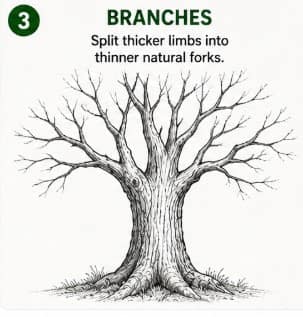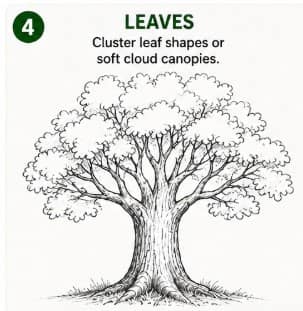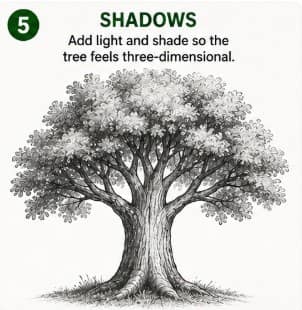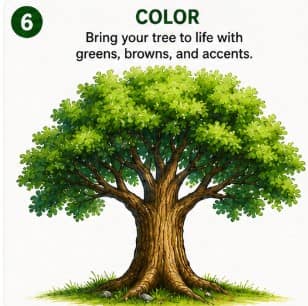
For kids ages 5–15, parents, teachers, and hobby artists

Easy and Simple Tree Drawing

Welcome to TreeDraw — a friendly place to learn easy and simple drawing tree at your own pace. Whether you are picking up a pencil for the first time or helping a child discover art, our lessons keep drawing tree simple, clear, and fun. Start with basic shapes, grow your skills branch by branch, and finish with trees you will be proud to show. No fancy tools required — just curiosity, a pencil, and a little practice each day.

Colorful Tree Drawing logo and illustration

What is Tree Drawing?

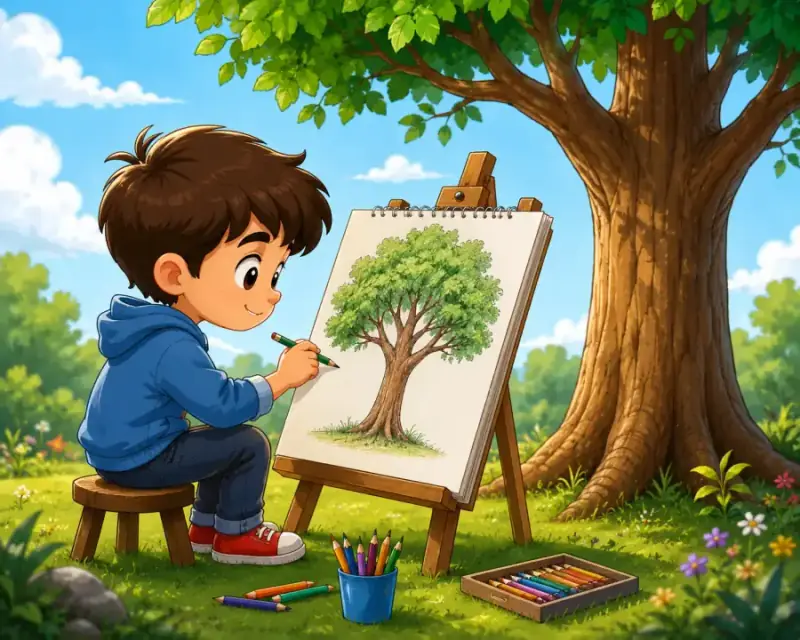
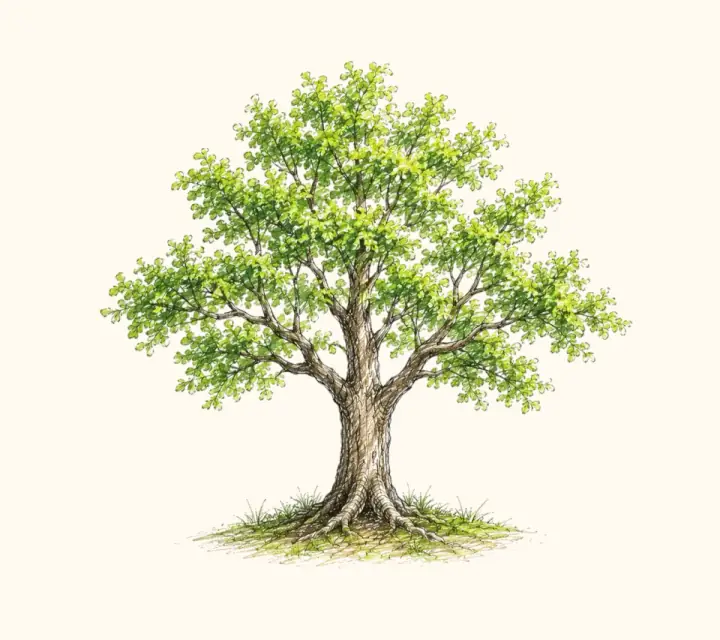
Tree drawing is the skill of turning trunks, branches, and leaves into pictures on paper. It teaches you to notice how real trees grow — thick at the base, thinner toward the tips — and to translate that into simple marks anyone can make. For children, it builds hand control, patience, and confidence. For beginners of any age, trees are a perfect subject because you can start with a stick and a cloud shape, then slowly add bark, shadows, and color. Tree drawing is both art practice and nature study: you learn to look carefully, simplify what you see, and enjoy the process as much as the finished picture.

Beginner learning what tree drawing is with a simple trunk and canopy sketch

Tree Sketch Drawing

A sketch tree drawing captures the idea of a tree quickly, without worrying about perfect detail. Use loose lines for a tree line drawing that shows the silhouette first, then decide where thicker limbs should sit. Many artists begin with a tree outline drawing — a clean outer shape for the canopy and trunk — before filling in texture. Sketching trains your eye to see gesture: the lean of a trunk, the reach of a branch, the fluffy edge of leaves. Keep your pencil moving, erase freely, and treat each sketch as practice, not a final poster. Over time, your sketches become the foundation for polished drawings.

Tree sketch drawing showing loose line work and a light tree outline

Pencil Tree Drawing

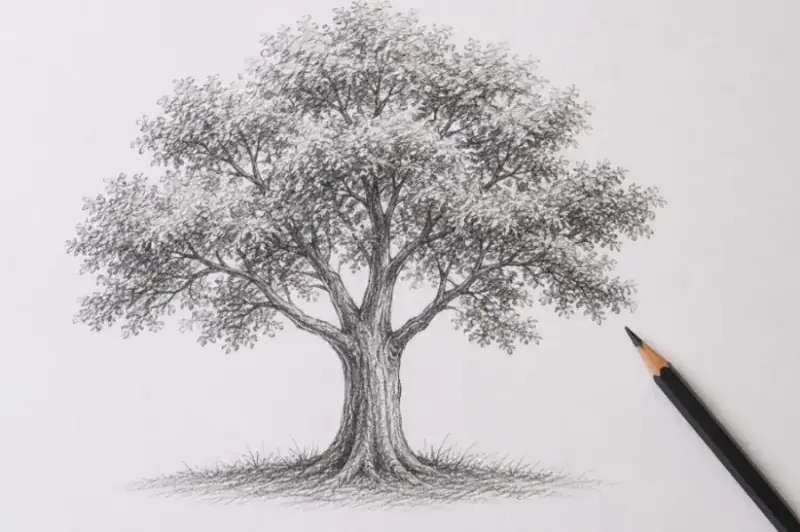
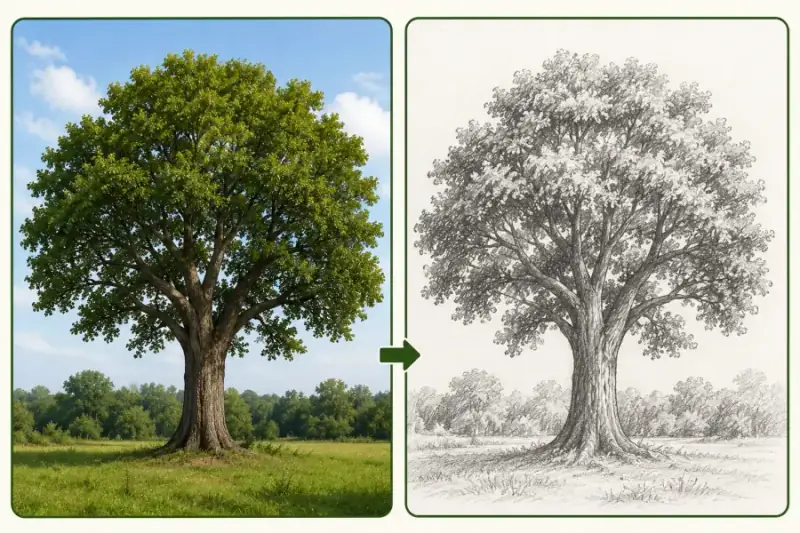
A tree pencil drawing is one of the most approachable ways to learn shading and texture. With a single graphite pencil you can practice tree drawing with pencil from pale guidelines to darker final strokes. Start a pencil tree drawing by blocking the trunk and canopy lightly, then layer soft strokes for bark and leaf clusters. Vary pressure: light for distant leaves, firmer for the shadowed side of the trunk. You do not need expensive tools — an HB or 2B pencil and a kneaded eraser are enough. Pencil work also teaches patience; every drawing tree with pencil improves when you build values slowly instead of pressing hard on the first pass.

Pencil tree drawing demonstrating graphite shading on trunk and foliage

Realistic & Detailed Tree Drawing

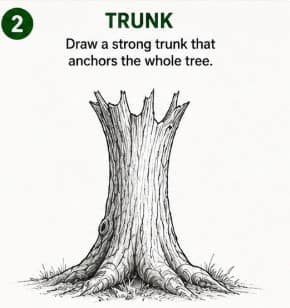
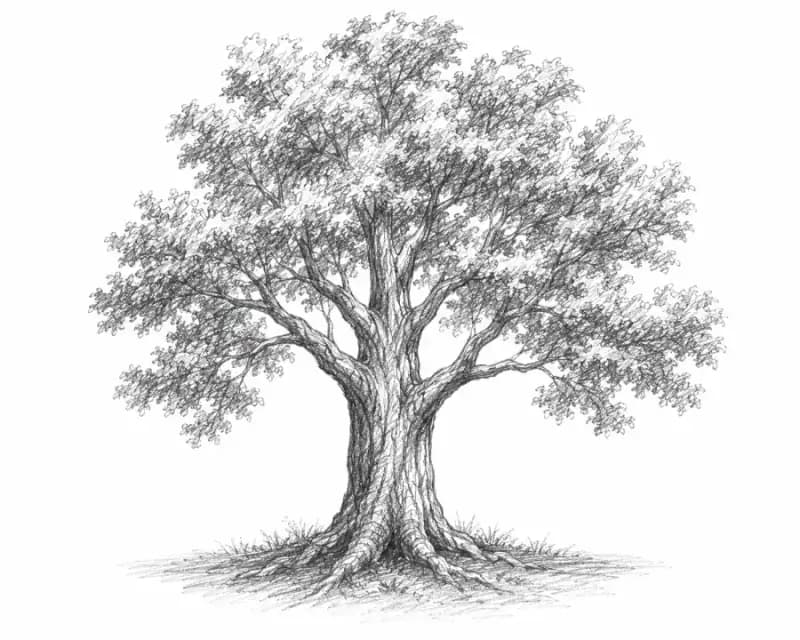
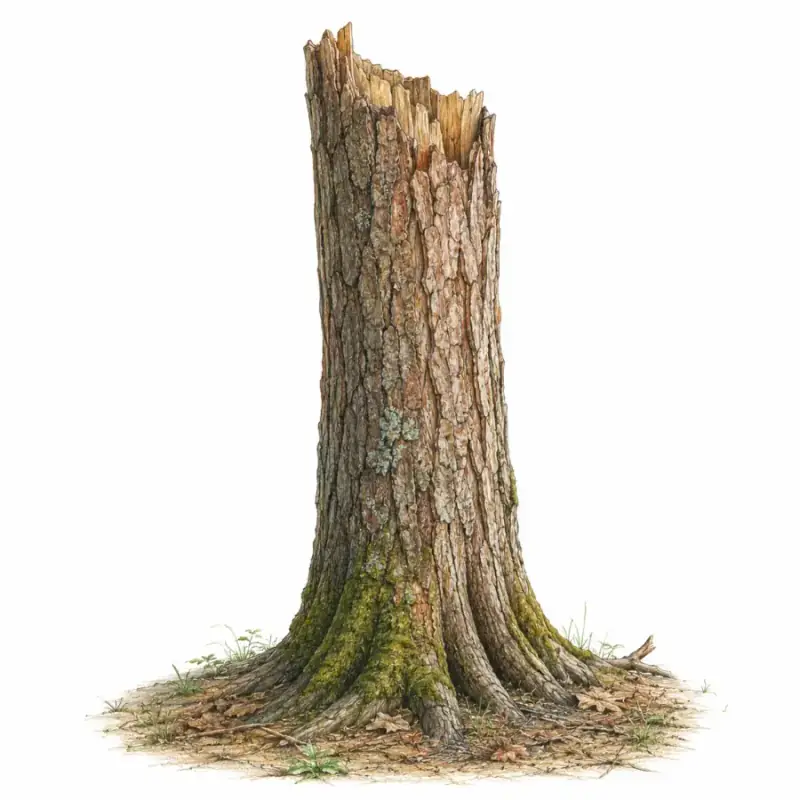
Realistic tree drawing focuses on how light hits bark, how branches overlap, and how leaf masses form soft clumps rather than individual stickers. Begin with accurate proportions: the trunk should feel sturdy enough to support the canopy. Add bark with short, broken vertical marks, and suggest clusters of leaves instead of drawing every leaf. Study a real tree or a clear photo and notice negative spaces — the sky holes between branches. Detail comes last: a few sharp twigs, a root flare at the ground, and careful shadows under the canopy. Realistic work is slower, but each careful observation makes your simpler drawings stronger too.

Realistic detailed tree drawing with bark texture and overlapping branches

Cartoon Tree Drawing

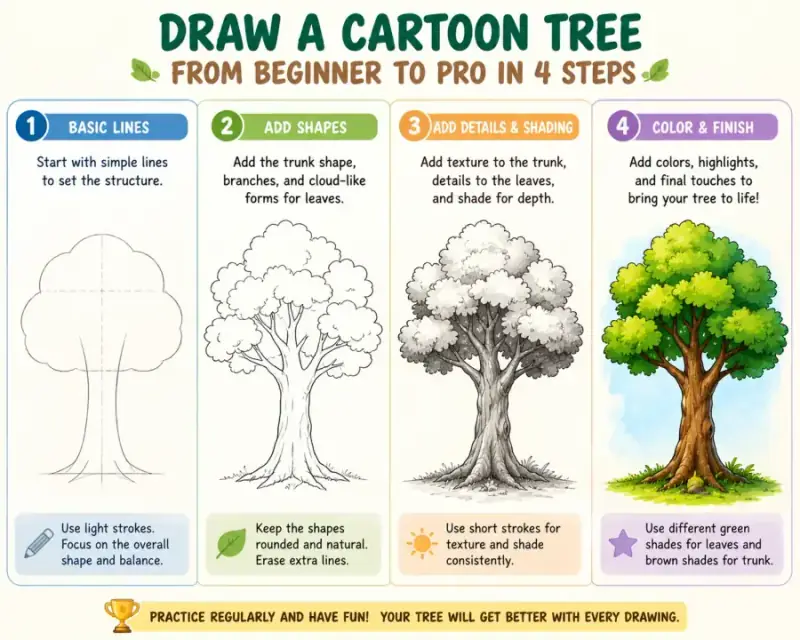
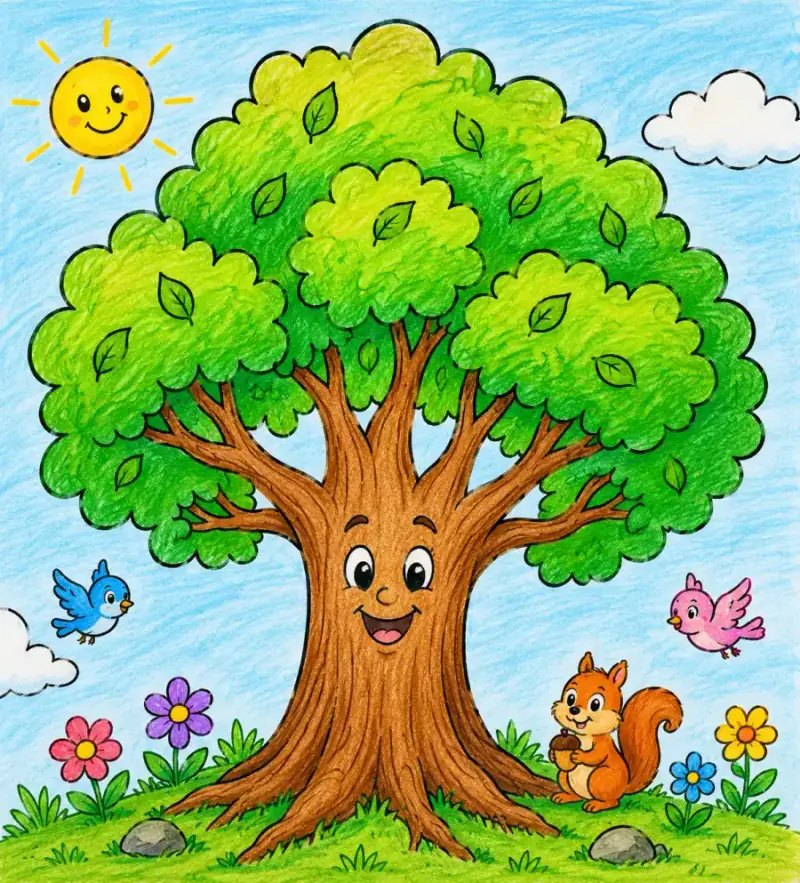
Cartoon trees exaggerate shapes so they feel playful and easy to read. Think big round canopies, chunky trunks, and maybe a smiling face or a tiny door for a storybook look. Bold outlines help kids color inside the lines, while simple leaf clouds keep the drawing fast. You can invent patterns — polka-dot leaves, spiral bark, or rainbow fruit — because cartoons celebrate imagination over botanical accuracy. Cartoon style is ideal for comics, classroom posters, and cheerful greeting cards. Once you master a few reusable shapes, you can draw whole cartoon forests in a single afternoon.

Cartoon tree drawing with bold outline, round canopy, and cheerful style

Tree Drawing Images, Pictures & Reference

Good drawing tree images help you see forms you might miss from memory alone. Collect tree pictures drawing references from parks, walks, or safe public photo libraries, and notice trunk thickness, canopy width, and how branches fork. A clear drawing tree reference shows lighting direction so your shadows stay consistent. Studying cool drawing tree examples from other artists can inspire style choices, but always sketch from real structure too so your work stays original. Keep a small reference folder for seasons and species. When you draw, glance at the reference, then look back at your page — train your memory, not just your tracing hand.

Tree drawing reference images and picture studies used for practice

Tree Drawing for Kids

Drawing tree for kids should feel like play, not a test. Parents and teachers can offer chunky pencils, big paper, and short steps: trunk, fluff top, then decoration. Celebrate effort over perfection — a lopsided canopy still counts as a wonderful tree. Younger children enjoy stickers, stamps, or finger-painted leaves after the outline is ready. Older kids can try seasons, animals in the branches, or comic speech bubbles. Keep sessions short, praise specific choices (“I love how wide your trunk is!”), and display finished work. When adults draw alongside kids, everyone relaxes — shared sketching is one of the best ways to build lasting creative habits.

Tree drawing for kids with large simple shapes and cheerful colors

Big, Small & Large Tree Drawing

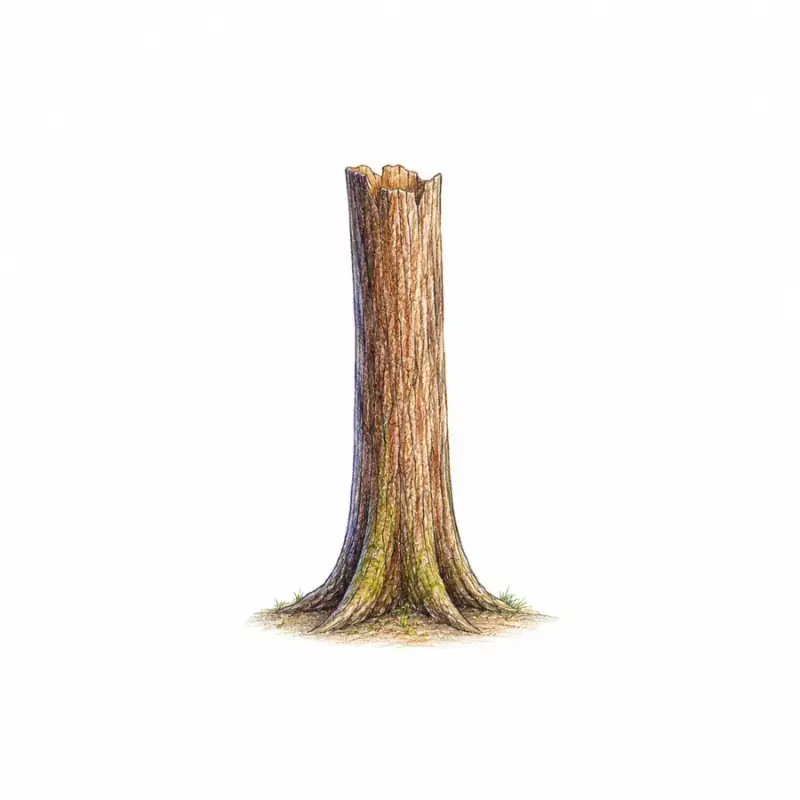
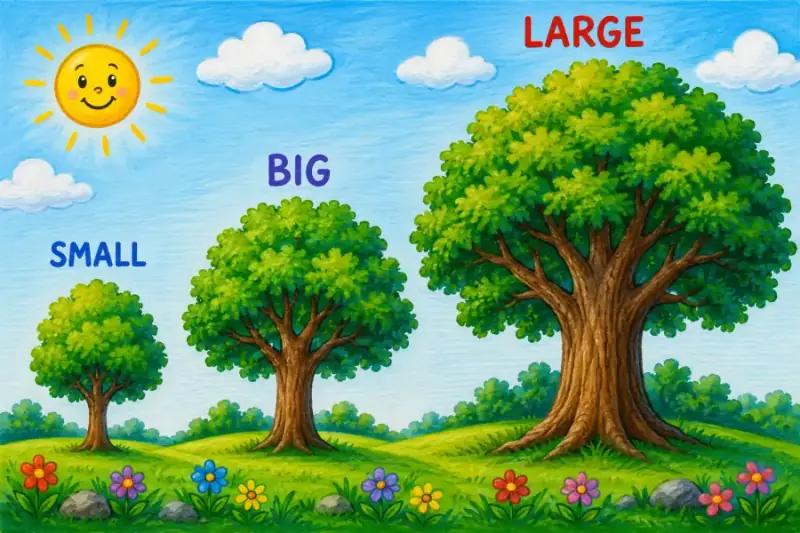
Scale changes how a tree feels in a scene. A small sapling needs a thin trunk and a modest canopy, while a large tree drawing fills the page with a thick base and broad leaf masses. Practice drawing the same tree big and small so you learn which details survive at each size. Tiny trees work as background forest stamps; oversized trees become characters of their own. Compare trunk width to canopy height — giants look believable when the trunk is chunky enough. Playing with size also teaches composition: leave room for sky, ground, or a treehouse so your big, small, and large trees all have space to breathe.

Big small and large tree drawings shown side by side for scale practice

Tree House Drawing

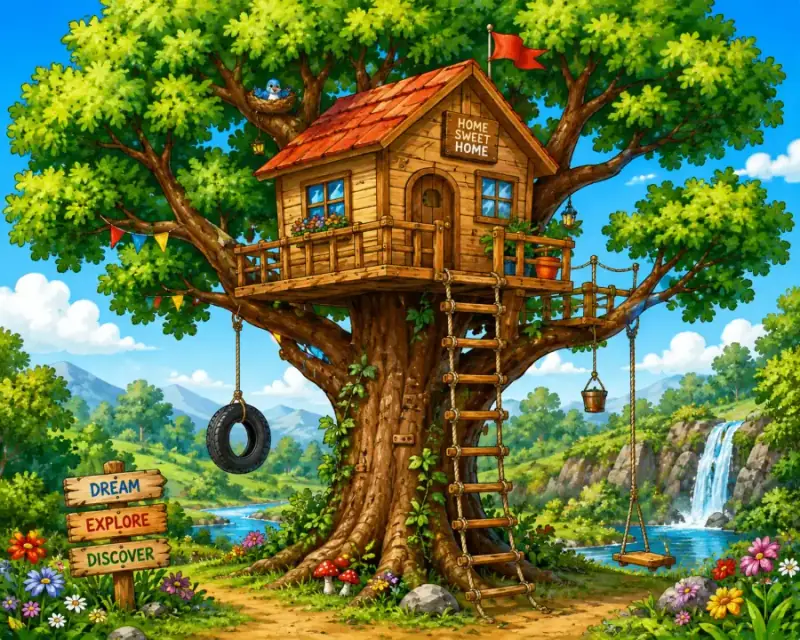
A tree house drawing combines nature with imagination. First draw a strong tree that can “hold” the house — thick trunk, wide fork, or sturdy platform branch. Then add a simple wooden box, a peaked roof, and a tiny window or rope ladder. Keep the house smaller than the canopy so it feels nested, not glued on. Details like a railing, string lights, or a friendly flag turn the scene into a story. Kids especially love inventing who lives inside. Whether you sketch a cozy reading nook or a wild adventure fort, build the tree first, then settle the house into the branches so both feel connected.

Tree house drawing with a wooden cabin nestled in strong branches

Drawing Family Tree

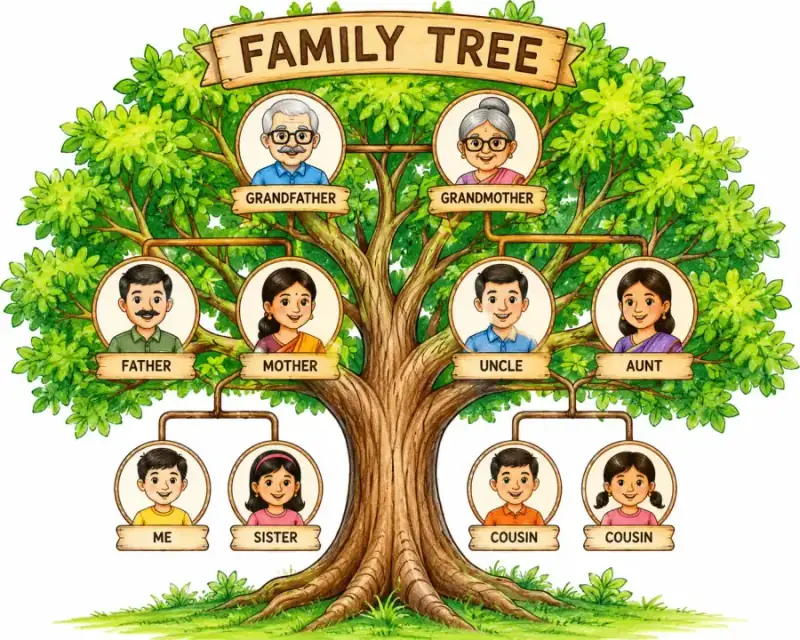
Drawing a family tree is part art project, part keepsake. Unlike a forest tree, a family tree diagram uses a trunk for older generations and branches for children, cousins, and new additions. Start with a central trunk labeled with grandparents or the family name, then add branching lines to each person. Decorative leaves, photo circles, or name banners make the chart warm and readable. You can keep it botanical — real bark and leafy canopy — or flat and modern with clean boxes. Either way, planning the layout in pencil first prevents crowded names. A hand-drawn family tree makes a meaningful classroom project, reunion gift, or wall poster.

Drawing family tree diagram with labeled branches for relatives

Drawing Tips

Four habits that make every tree better

  • Hold the pencil lightly

    A soft grip keeps lines loose and easy to erase. Squeeze too hard and your tree will look stiff before you even add leaves.

  • Start with simple shapes

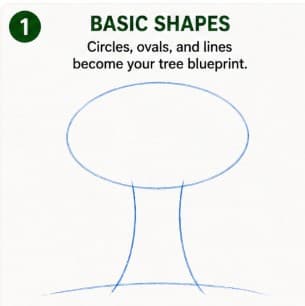
    Every tree begins as circles, ovals, and lines. Build the big shapes first, then refine — never start with tiny details.

  • Draw lightly before details

    Sketch pale guidelines for the trunk and canopy. When the structure looks right, darken the final lines and add bark or leaves.

  • Practice every day

    Ten focused minutes beats one long frustrated session. Small daily sketches train your eye faster than occasional marathons.

Love Notes

What families and teachers say

  • Portrait of Maya R.

    Maya R.

    Parent of two

    My kids finally ask to draw instead of scroll. The steps are clear enough for a 7-year-old and calm enough for me to enjoy too.
  • Portrait of Mr. Alvarez

    Mr. Alvarez

    Art teacher

    I use TreeDraw as a warm-up path in class. The roadmap from shapes to color matches how I already teach — just prettier.
  • Portrait of Jordan K.

    Jordan K.

    Hobby artist

    I came for simple trees and stayed for the practice habit. Short lessons, zero fluff, and I can see my trunks improving.

FAQs

Questions families ask first

Is TreeDraw free to start?

Yes. The homepage lessons and beginner path are designed so anyone can start drawing trees without creating an account. Future premium packs may be optional — core beginner learning stays accessible.

What age is TreeDraw for?

TreeDraw is built for children ages 5–15, with guidance parents and teachers can follow too. Adults who are new to drawing also find the simple steps welcoming.

Do I need special art supplies?

No. A pencil, eraser, and paper are enough for every beginner lesson. Colored pencils or markers are optional once you reach the color stage.

How is this different from a drawing blog?

TreeDraw is structured like a learning product: clear paths, practice stages, and reusable skills — not a long feed of unrelated posts. You always know what to draw next.

Can teachers use these lessons in class?

Absolutely. Short timed activities, printable-friendly steps, and kid-safe language make the lessons easy to drop into art periods or rainy-day plans.

Why focus only on trees?

Trees teach proportion, branching, texture, and color in one subject. Mastering trees builds skills that transfer to landscapes, characters, and still life later.

Get a free weekly tree sketch prompt

Short, cheerful practice ideas for kids and beginners — no spam, just drawing joy.

Newsletter signup launches soon — your email goes to our coming-soon page for now.

Contact

Say hello — we love tree questions

Parents, teachers, and young artists: tell us what you want to learn next. We read every message.